Resin vs Epoxy: What’s the Real Difference and Which One Should You Use?
Whether you’re crafting a handmade lamp, a resin river table, or a stunning piece of jewelry, you’ve likely come across two popular terms: resin and epoxy. While they are often used interchangeably, they’re not exactly the same thing—and choosing the right one can make or break your project.
In this blog, we’ll break down the key differences between resin and epoxy, including their uses, curing times, durability, and more. Let’s find out which one is best for your creative needs.
🔍 What Is Resin?
Resin is a broad term that refers to any thick, viscous liquid that can be hardened into a solid plastic-like material. There are several types of resin commonly used in art and DIY:
Epoxy resin (often what people mean when they say “resin”)
Polyester resin
UV resin
Polyurethane resin
Each has different properties and is suited for different applications.

⚙️ What Is Epoxy?
Epoxy is a specific type of resin made by mixing two components: a resin and a hardener. When combined, a chemical reaction occurs, creating a tough, long-lasting solid.
Epoxy resin is widely used in both crafting and industrial settings. It’s praised for its:
Excellent clarity and shine
Strong adhesion
High durability
Water and chemical resistance
🆚 Key Differences Between Resin and Epoxy
| Feature | Resin (general) | Epoxy Resin |
|---|---|---|
| Definition | A category of hardenable liquids | A specific type of resin |
| Cure Time | Varies (UV: fast, polyester: moderate) | Usually 24–72 hours |
| Clarity | Can yellow or cloud over time | Stays crystal clear (high-quality) |
| Durability | Less durable | Extremely durable and strong |
| Cost | Usually cheaper | Slightly more expensive |
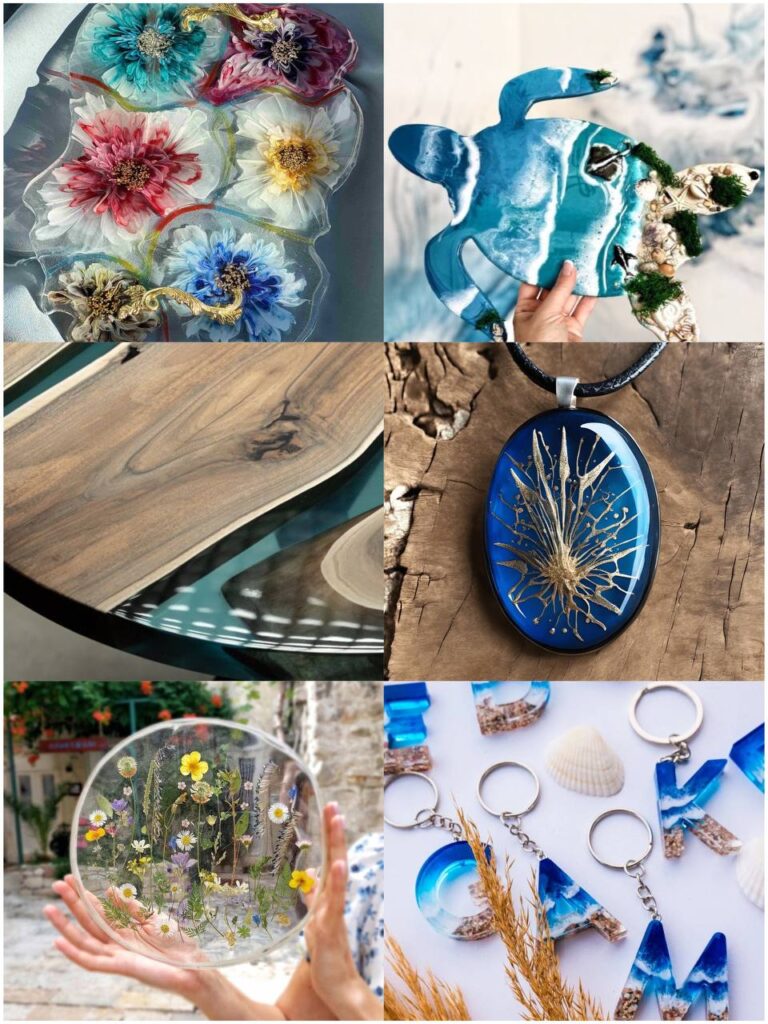
| Applications | Jewelry, small crafts, art coatings | Lamps, river tables, thick castings |
🔨 When Should You Use Epoxy?
Use epoxy when your project requires:
Thick pours (e.g., resin lamps, river tables)
Durability and long-lasting finish
Crystal-clear appearance
Strong adhesion to surfaces like wood, metal, or glass
It’s ideal for deep casting projects and protective coatings.
🎨 When Should You Use Other Resins?
You might consider polyester or UV resin when:
You need a quick cure time (UV cures in minutes)
You’re making jewelry or small molds
You’re looking for a budget-friendly option
However, these alternatives may not offer the same clarity, strength, or work time as epoxy.
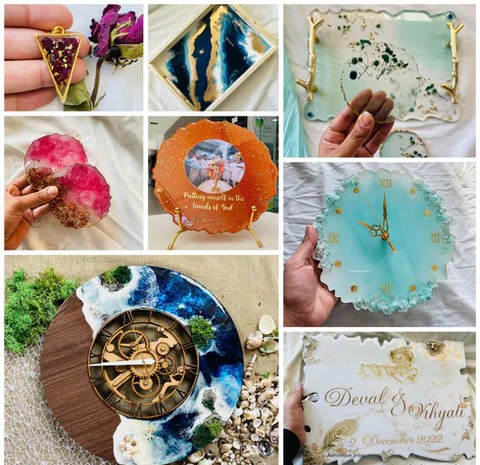
🧪 Epoxy Types: Casting vs Coating
There are two main types of epoxy resin:
Casting Epoxy: Designed for deep pours and 3D molds (ideal for resin lamps, sculptures)
Coating Epoxy: Thinner, used to seal surfaces and give a glossy finish (perfect for tabletops, art boards)
👉 Make sure to choose the right type depending on the thickness and purpose of your project!
✅ Final Thoughts
While all epoxy is resin, not all resin is epoxy. Understanding the difference helps you choose the right material for your art, avoid common mistakes, and get professional-looking results.
If you’re just getting started with resin crafts or planning a big project like a custom epoxy lamp, epoxy resin is your best bet for quality and ease of use.